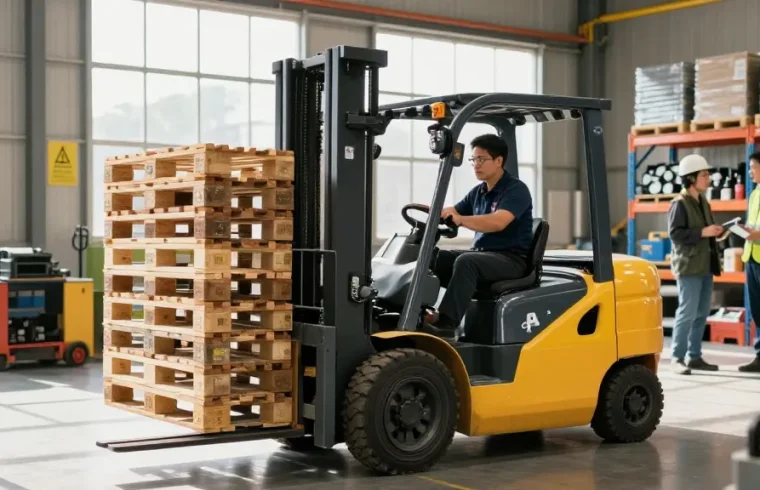
Understanding Electric Forklifts and Their Benefits
Electric forklifts are revolutionizing the material handling landscape in modern warehouses. As businesses seek greener and more efficient options for transporting goods, electric forklifts are rising to the occasion. When exploring options, electric forklift provide comprehensive insights into how these machines can enhance productivity while minimizing environmental impact. This article will delve into the essence of electric forklifts, their advantages, and why they are becoming the preferred choice in many operations.
What is an Electric Forklift?
An electric forklift is a type of powered industrial truck that uses electric motors for propulsion and lifting. Unlike traditional internal combustion forklifts, which rely on gas or diesel engines, electric forklifts operate using rechargeable battery systems. This battery technology not only supports lower operational costs due to reduced fuel expenses but also minimizes maintenance requirements. The design and functionality of electric forklifts make them suitable for various environments, including warehouses, distribution centers, and manufacturing facilities.
Key Advantages of Electric Forklifts in Modern Warehouses
The advantages of electric forklifts are multiple and impactful. Here are some of the key benefits:
- Cost Efficiency: Electric forklifts typically have lower operating costs compared to their gas counterparts, as they require less maintenance and eliminate the need for fuel purchases.
- Reduced Emissions: Operating on electricity significantly decreases the carbon footprint of warehouse operations, as electric forklifts emit no harmful gases.
- Quieter Operation: The noise levels of electric forklifts are much lower, contributing to a more pleasant working environment.
- Enhanced Maneuverability: Electric forklifts often feature compact designs, allowing for greater agility in tight warehouse spaces.
- Improved Safety: With fewer moving parts and no combustible fuels, electric forklifts come with enhanced safety features, reducing risks associated with traditional forklifts.
Environmental Impact: Reducing Emissions with Electric Power
As industries strive to meet sustainability goals, the environmental impact of operations becomes critical. Electric forklifts align closely with corporate responsibility initiatives by reducing greenhouse gas emissions and reliance on fossil fuels. By transitioning to electric power, companies can contribute to cleaner air and reduce their overall carbon footprint. This shift not only helps the environment but can also position businesses favorably in the eyes of consumers who value sustainable practices.
Choosing the Right Electric Forklift for Your Needs
When selecting an electric forklift, it is essential to consider various factors that align with your specific operational needs. The right choice can optimize productivity and enhance safety. Understanding these factors can lead to more informed decisions and improved efficiencies in your operations.
Factors to Consider When Selecting an Electric Forklift
Choosing an electric forklift requires careful consideration of multiple factors:
- Load Capacity: Assess the average weight of the loads you will be handling to determine the appropriate lifting capacity.
- Lift Height: Consider the vertical reach required for your operations to ensure the chosen forklift can meet your storage needs.
- Battery Type: Battery technology can influence runtime and charging times. Evaluate options such as lead-acid versus lithium-ion batteries based on your usage patterns.
- Forklift Size: Evaluate the dimensions of your operational space to ensure the forklift can maneuver efficiently.
- Ergonomics: Look for designs that focus on operator comfort, as this can enhance productivity and reduce fatigue.
Comparing Electric Forklifts: Performance and Specifications
When comparing electric forklift models, it is vital to look beyond just the price tag. Examine performance specifications, operational capabilities, and additional features that enhance usability. Key specifications to review may include:
- Maximum lift height
- Top speed
- Battery runtime
- Charging time
- Turning radius
Evaluating these metrics will help ensure you select a forklift that meets your operational demands without compromise.
Assessing Your Warehouse Layout for Electric Forklift Fit
Your warehouse layout plays a crucial role in determining the type of electric forklift that will best suit your needs. Analyzing the following elements can assist you in making the right decision:
- Aisle Width: Measure aisle widths to determine if a compact electric forklift is necessary for navigation.
- Docking Areas: Assess loading and unloading zones to choose a forklift with the appropriate reach and maneuverability.
- Storage Configurations: Evaluate vertical storage needs to ensure the forklift can adequately handle high-stacking operations.
- Traffic Flow: Consider the traffic patterns within the warehouse to select a forklift that enhances efficiency and safety.
Common Challenges and Setbacks in Electric Forklift Operations
While electric forklifts offer many advantages, they are not without challenges. Understanding potential setbacks can prepare operators and managers to tackle issues proactively.
Identifying Common Issues with Electric Forklifts
Common issues that may arise with electric forklift operations include:
- Battery Life: Poor battery maintenance can lead to shorter operational times and increased downtime.
- Weight Distribution: Improper load balancing can affect stability and safety during operation.
- Charging Infrastructure: Insufficient charging infrastructure can lead to operational inefficiencies.
- Operator Training: A lack of proper training can result in operational errors and accidents.
How to Address Safety Protocols and Operational Blunders
Safety should always be a priority in material handling operations. To address potential safety risks, implement the following strategies:
- Regular safety audits to identify and rectify hazards.
- Mandatory operator training and certification programs.
- Implementation of safety protocols, such as speed limits and designated walkways.
- Use of proper signage to guide operators and pedestrians.
Maintenance Tips to Prevent Electric Forklift Failures
Routine maintenance is critical to ensuring electric forklifts function optimally. Consider the following tips to maintain performance:
- Conduct regular battery inspections and maintenance to prolong battery life.
- Check hydraulic systems for leaks and abnormal wear.
- Inspect tires for proper inflation and tread wear.
- Keep forklifts clean and free of debris to enhance performance.
Maximizing Efficiency with Electric Forklifts
Maximizing efficiency with electric forklifts involves adopting best practices that enhance productivity while minimizing risk. Here are some key strategies for optimal operation.
Best Practices for Electric Forklift Operation
Following best practices can lead to efficient and safe operations. Key practices include:
- Performing pre-operation checks to ensure all systems are functioning correctly.
- Communicating with team members to establish clear operational signals.
- Using proper lifting techniques to avoid overloading the forklift.
- Regularly reviewing and updating safety protocols to keep pace with operational changes.
Utilizing Technology to Enhance Forklift Performance
The integration of technology can significantly boost forklift performance. Consider the following technological advancements:
- Telematics systems for real-time monitoring and diagnostics.
- Automated battery management systems to optimize charging routines.
- RFID systems for tracking inventory and improving efficiency.
- Advanced safety features, such as collision detection systems.
Training Staff for Optimal Electric Forklift Performance
Investing in comprehensive training programs for operators can lead to improved performance and safety. Ensure training covers:
- Understanding forklift controls and functions.
- Safe maneuvering techniques in tight spaces.
- Emergency procedures in case of malfunction or accidents.
- Regular refreshers to keep knowledge up to date.
Future Trends in Electric Forklift Technology
The future of electric forklift technology promises even greater advancements that will transform material handling operations. Staying abreast of these trends can equip businesses to adapt swiftly and maintain competitive advantages.
Emerging Innovations: What to Expect in 2026 and Beyond
As technology continues to evolve, businesses can expect innovations such as:
- Enhanced battery technologies offering longer run times and faster charging capabilities.
- Artificial intelligence integration for real-time analytics and predictive maintenance.
- Greater automation in forklift operations, reducing the need for human intervention.
- Smart connectivity features for seamless integration with warehouse management systems.
The Role of Automation in Electric Forklift Use
Automation is poised to change the way electric forklifts operate, allowing for more efficient workflows. Automated electric forklifts can:
- Minimize human error in operations, leading to enhanced safety.
- Increase order picking speed in warehouses.
- Reduce labor costs by automating repetitive tasks.
How Electric Forklifts Are Shaping the Future of Warehousing
The adoption of electric forklifts plays a pivotal role in shaping the future of warehousing. Their efficiency, sustainability, and evolving technology will redefine how goods are handled and stored. Businesses adopting these technologies will likely benefit from improved operational efficiency and customer satisfaction, positioning themselves as leaders in the industry.
What are the advantages of electric forklifts?
Electric forklifts offer numerous advantages, including cost savings, reduced emissions, and improved operator comfort. Their ability to operate quietly and safely makes them preferable in various settings.
How do I maintain an electric forklift?
Maintenance involves regular inspections of battery life, tires, and hydraulic systems. Keeping the forklift clean and well-maintained ensures longevity and reliability.
Which electric forklift model is best for my business?
The ideal model depends on your operational needs, including load capacity, lift height, and warehouse layout. Carefully assess these factors before making a decision.
What safety measures should I consider for electric forklifts?
Key safety measures include implementing safety protocols, providing comprehensive training for operators, and conducting regular safety audits to identify hazards.
How will electric forklifts evolve in the next few years?
Electric forklifts will continue to evolve with advancements in battery technology, increased automation, and improved safety features. Staying informed about these changes will enable businesses to adapt effectively.